
TREE PLANTING INITIATIVE BRINGS HOPE TO MUSSA VILLAGE IN CHIRADZULU
Climate change continues to affect communities across Chiradzulu District, with bare hills, unpredictable rainfall, and environmental degradation threatening livelihoods. In response to these challenges, communities are taking action to restore their environment and secure a sustainable future.
From 17 December 2025 to 18 April 2026, the Republic of Malawi launched the National Tree Planting Campaign aimed at restoring forests and addressing the impacts of climate change nationwide.
In support of this initiative, Young Women Rise Organisation (YOWORI), in partnership with Global Greengrants Fund, implemented a tree planting activity at Mussa Village under Traditional Authority Nkalo in Chiradzulu District.
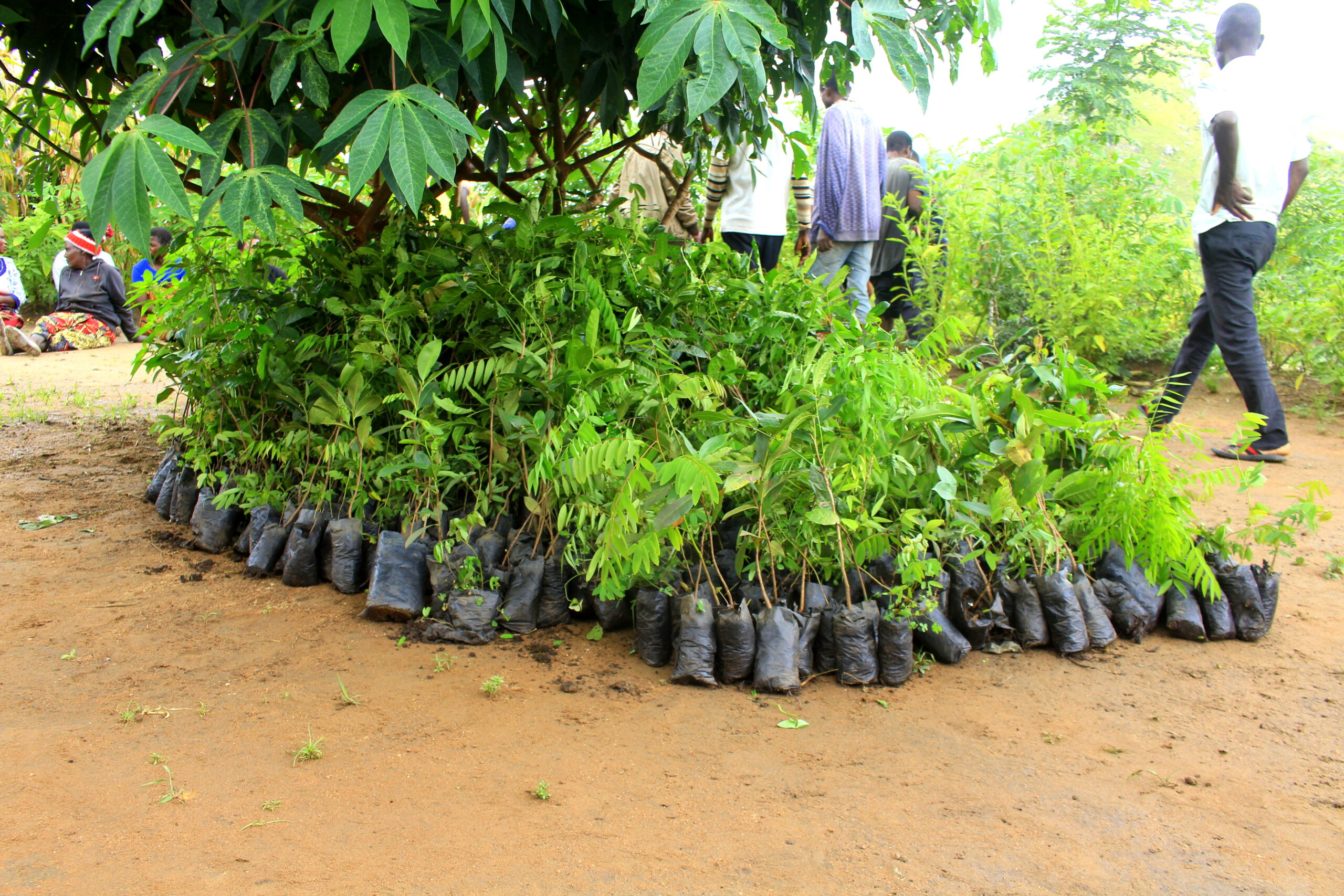
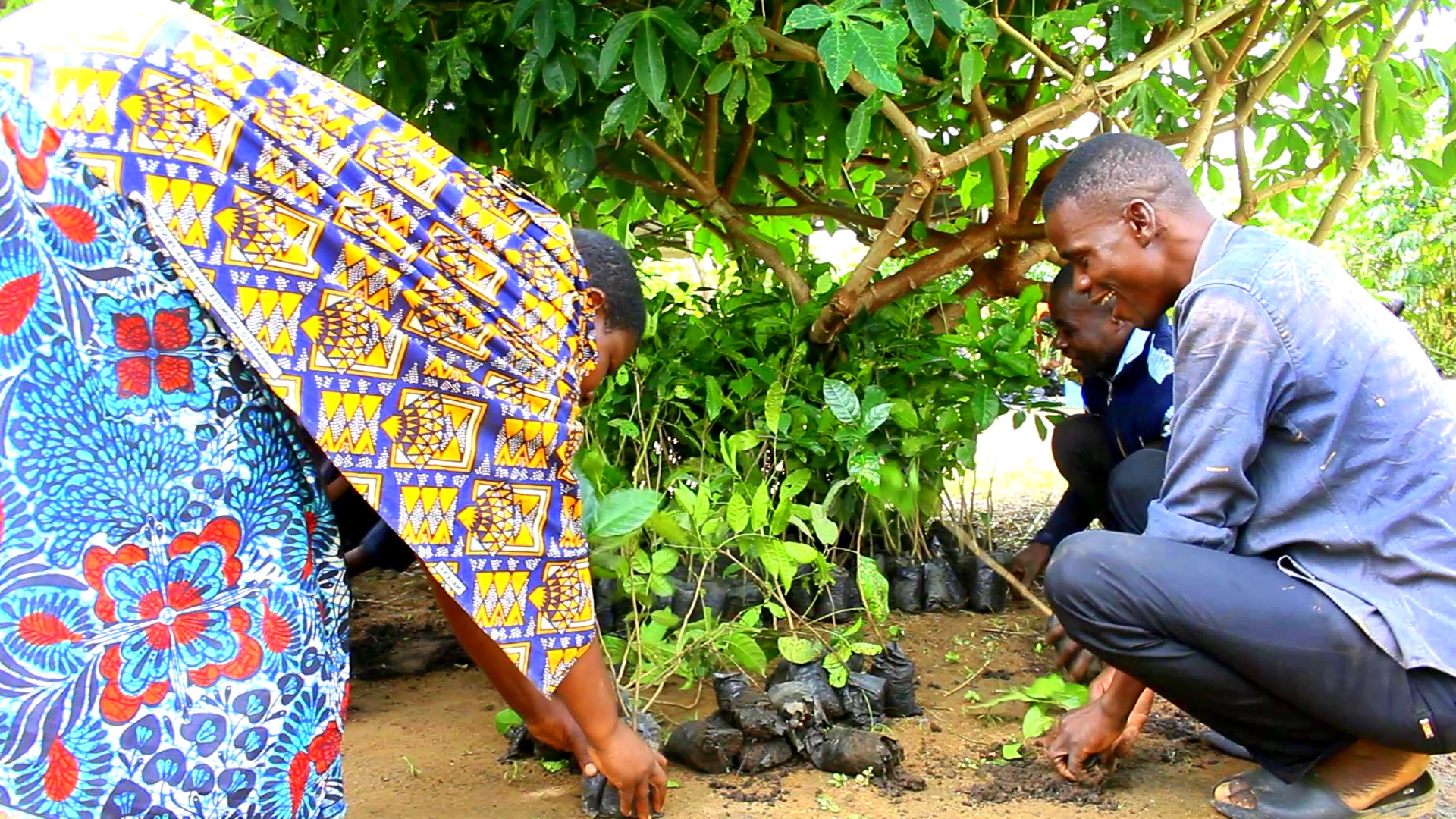
The activity brought together community members living around Mwahala Hill, encouraging active participation, ownership, and long-term care of the planted trees. Through this effort, over 2,000 tree seedlings, including indigenous species such as M’bawa, Ntangatanga, Nyowe, and Caisha, were planted to help restore the degraded landscape.
Speaking during the activity, Pililani Piyo, Monitoring and Evaluation Assistant for YOWORI, explained that the organisation selected the area due to its low tree coverage and the vulnerability of the land to environmental degradation.
“Planting trees in this area will help protect the community from strong winds, improve environmental conditions, and provide long-term benefits such as shade and fruit,” he said.
Local leadership also welcomed the initiative. Group Village Head Mpulula expressed gratitude to YOWORI for bringing the activity to the area and encouraged community members to take responsibility for nurturing the trees to ensure long-term benefits.
The Assistant Forestry Officer for Chiradzulu District, Chikumbutso Maya, emphasized the importance of tree planting in combating climate change. He highlighted that deforestation—particularly due to charcoal production—contributes to irregular rainfall patterns, including both droughts and flooding.
“Communities must take an active role in planting and protecting trees to restore the environment and stabilize the climate,” he advised.
This initiative goes beyond environmental restoration. It also integrates community dialogues on Gender-Based Violence (GBV), protection, and human rights, alongside psychosocial support and awareness activities, helping to build safer, informed, and resilient communities.
As Mwahala Hill begins to recover, the planting of over 2,000 trees stands as a symbol of hope—demonstrating the power of community action in addressing climate change and improving livelihoods.
No comment